
How to Homeschool in Missouri + FREE Hours Tracker
Are you interested in learning how to homeschool in Missouri and looking for information about getting started? Look no further! My husband and I have lived in Missouri most of our lives, and we are now homeschooling our children here.
I’ll help you take a look at the Missouri homeschool laws, age requirements, state mandated subjects, and more in this post. Plus, if you need an easy homeschool hours tracker printable, I’ve got you covered.
Homeschool in Missouri
Unlike some other states, Missouri is one of the most laid back states that you can homeschool your children in. Although there are no teacher certification requirements or notification requirements, there are a few state laws to be mindful of.
While this is an overview of Missouri homeschool law, it is not intended to be legal advice.

Missouri’s Definition of Homeschooling
Homeschooling in the state of Missouri is defined as schooling that has the primary purpose of providing faith-based or private education. The compulsory attendance age is 7, and a child is considered to be of school age until 17 years old.
In Missouri, you can have up to four unrelated children “enrolled” in your homeschool. They also consider a homeschool to be a system that does not charge fees or receive tuition.
Teaching Requirements for Homeschooling in Missouri
Missouri requires a school year to have 1,000 instructional hours. Within those hours, there are specific subjects (you’ll hear these referred to as “core” subjects) that must be taught for a minimum of 600 hours:
Language Arts
Reading
Math
Social Studies
Science
These subjects should be taught at the child’s developmental age. And, of those 600 hours, 400 must occur at the primary homeschool location.
Simply stated, of all the above “core” subjects, you want to make sure you complete 400 of those at the place where most of your homeschooling occurs (which, most likely, is at your home). You can fill the other 200 hours at home as well, or they could be completed during field trips or at a local co-op instead.
You might also hear these hours referred to as “core-home” hours and “core-away” hours.
What about the other hours required to get to that goal of 1000? Those can be attained by any “non-core” subjects, or your electives. Think music, P.E., art, foreign language, etc.
This might seem overwhelming, but once you get into the groove, it’s not so bad! Make sure to grab my free resources at the end of this post to help you keep track of your homeschool hours each month.
Recordkeeping Requirements for Homeschooling in Missouri
Like every state in the U.S., there is some form of a recordkeeping requirement for homeschool students. While you do not need to submit your records to the state or report to an umbrella school, Missouri law does require homeschool families to maintain certain records for children who are subject to the compulsory attendance law.
Missouri’s homeschool law requires families to keep:
- A plan book, diary, or other written record of subjects taught and activities completed
- A portfolio containing samples of the student’s academic work
- A record of evaluations of the student’s academic progress
For most homeschool families, these requirements are easily met through a homeschool planner, daily log, work samples, and any tests, assessments, or evaluations you choose to keep.
When Do You Need to Start Keeping Records?
In the past, many Missouri homeschoolers followed the guideline of beginning recordkeeping if a child was 7 years old by July 1, the start of the state’s school year. However, current recommendations from Missouri homeschool organizations suggest a different approach.
The first step is to establish your homeschool’s school term. While Missouri law defines the school year as July 1 through June 30, your school term is the period of time you designate for your homeschool instruction. Many families (mine included!) choose to align their school term with the state school year, but this is not required.
Once you have established your school term, it is recommended that you begin keeping homeschool records when your child turns 7 years old, even if that birthday occurs in the middle of your school term.
If your child turns 7 during your school term, you should begin maintaining all required records at that time and calculate a proportional number of instructional hours for the remainder of the term.
For example: Our homeschool year runs from July 1 through June 30, and my child turns 7 on December 6. Since he was not yet 7 at the beginning of the school term, I would begin keeping records on December 6.
To determine the number of hours we need to document for the remainder of the school term, I’d count the number of days from December 6 through June 30 (207 days remaining in the school term).
Then I’ll divide the required 1,000 annual hours by 365 days, which equals approximately 2.74 hours per day. Multiply 2.74 by the 207 days remaining in the school term:
2.74 × 207 = 567 hours
So I would keep all required homeschool records beginning on December 6 and document approximately 567 instructional hours between December 6 and June 30.
It’s also important to remember that once you begin keeping records, you should maintain all of the records required by Missouri law, including your written log, portfolio, and records of academic progress.
If your child was previously enrolled in public school and you withdraw them to homeschool before age 7, you should begin keeping records at the time of withdrawal.
The good news is that most homeschool families are already doing much of this naturally through everyday learning activities. Recordkeeping simply provides documentation of the education that is already taking place.
High School Records
While records are not legally required for a child over the age of 16, many parents who homeschool their children in Missouri continue to keep records and homeschool transcripts suitable for use in college, employment, and trade school applications. Educators homeschooling high school coursework may find the state high school graduation requirements useful, especially if they plan to apply to in-state schools.
How Long Should I Keep Homeschool Records?
It’s wise to keep your records for at least 2 years for each of your kids; you can read about how I create my homeschool portfolios in this post. If you are homeschooling high school, it’s recommended to keep records for all of those years indefinitely.
Do Homeschool Records Get Evaluated in Missouri?
There are no routine record checks or portfolio reviews when you homeschool in Missouri. However, if there is ever a legal challenge against your homeschool, you’ll want to be organized and able to show evidence of learning in your homeschool.
Missouri Homeschool Hours Tracking
When you homeschool in Missouri, it’s also a wise idea to keep a daily log of time/hours your kids spend in each subject. This way, if there is ever a legal case challenging your kids’ home education, you will have documentation showing you have meet the hours requirements.
Not sure how you are going to get all of those 1000 hours accounted for? Don’t panic! It’s easy when you realize learning is occurring all the time, even outside a “typical” homeschool curriculum. There are so many ways to sneak in learning!
While your regular curriculum will likely make up the majority of your hours, Missouri homeschool hours can also include many educational activities that take place outside of a textbook. Field trips, hands-on projects, life skills, read-alouds, educational videos, and everyday conversations all contribute to your child’s education.
Here are some ideas to help you recognize and document learning that may already be happening in your home:
Language Arts
- Writing letters, cards, or emails
- Keeping a journal or gratitude notebook
- Creative writing and storytelling
- Poetry reading and writing
- Copywork and dictation
- Vocabulary and spelling practice
- Public speaking opportunities
- Book reports and narration
- Speech and debate activities
- Writing stories, blogs, or newsletters
- Reading recipes and following written directions
- Research projects
- Night Zookeeper activities
Reading
- Independent reading
- Family read-alouds
- Audiobooks
- E-books and digital reading
- Reading magazines and newspapers
- Reading Bible passages
- Reading instructions for games, projects, or crafts
- Reading aloud to younger siblings
- Library visits and reading challenges
- Literature discussions
Math
- Measuring ingredients while cooking or baking
- Weighing produce and calculating costs at the grocery store
- Tracking allowance and budgeting money
- Calculating discounts and sales prices
- Building with blocks, LEGO®, or construction sets
- Putting together puzzles
- Playing math-based board games
- Measuring for home improvement projects
- Using rulers, scales, and measuring cups
- Tracking sports statistics
- Reading charts, graphs, and schedules
- Managing a small business or lemonade stand
Social Studies
- Learning local, state, and national history
- Map reading and navigation
- Following current events
- Watching educational documentaries
- Studying family history and genealogy
- Visiting museums and historical sites
- Attending cultural festivals and community events
- Visiting government buildings
- Learning about different countries and cultures
- Studying elections and the voting process
- Visits to the fire station, police station, or courthouse
- Learning basic citizenship and community responsibilities
Science
- Nature walks and outdoor exploration
- Nature journalingGardening
- Cooking and kitchen science
- Observing weather patterns
- Caring for plants and animals
- Science experiments
- Watching science documentaries
- Visiting zoos, aquariums, and nature centers
- Hiking and identifying plants or wildlife
- Studying the night sky
- Learning about nutrition and health
- Exploring simple machines and engineering concepts
Music (non-core)
- Private music lessons
- Group music classes
- Choir participation
- Church worship team practice
- Learning music theory
- Instrument practice
- Music appreciation studies
- Listening to classical music and composers
- Online music instruction
- Attending concerts and performances
P.E. (non-core)
- Organized sports practices and games
- Dance classes
- Martial arts
- Swimming lessons
- Bike riding
- Hiking
- Playground time
- Fitness classes
- Homeschool sports groups
- Walking or jogging
- Strength training
- Outdoor games and recreational activities
Art (non-core)
- Drawing and sketching
- Coloring and painting
- Sculpting and clay projects
- Crafts and DIY projects
- Sewing and fiber arts
- Photography
- Graphic design
- Art appreciation
- Visiting museums and galleries
- Learning about famous artists
- Creating handmade gifts
- Building models
Religious Instruction (non-core)
- Family Bible study
- Personal devotions
- Scripture memorization
- Sunday school
- AWANA
- Youth group activities
- Bible curriculum
- Mission projects
- Prayer time
- Listening to sermons
- Christian apologetics studies
- Reading Christian biographies
- Service projects and ministry opportunities
Life Skills (non-core)
- Meal planning and preparation
- Household chores
- Laundry
- Cleaning and organization
- Caring for younger siblings
- Caring for elderly family members
- Animal and pet care
- Basic home maintenance
- Personal finance and budgeting
- Time management
- Grocery shopping
- First aid and safety skills
- Gardening
- Vehicle maintenance basics
- Entrepreneurship and small business activities
Keep in mind that there are no requirements for the amount of time per subject. You just need to make sure you’re getting in your 600 core hours (which includes 400 core home hours), and this can be split up between the core subjects however you’d like. The other 400 hours can be core or non-core – whatever works best in your homeschool!
Do I Need to Notify the School District to Homeschool in Missouri?
A lot of parents are deciding to homeschool their children who are still enrolled in public or private school. If this is your case, you’ll want to send a withdrawal letter to the local school district.
According to the law, the parent or guardian has the option to provide notice to the recorder of deeds before September 1st of each school year, but this is not required.
The only time notification is required if is you withdraw your child from a school they are already enrolled in. In this case, all you need to do is send a letter to the school’s administration stating that you will now be homeschooling.
FHE (Families for Home Education) is a great resource for Missouri homeschool families, and they have a sample withdrawal letter on their website you are free to print and use.
Even though your child will no longer be a student at the local elementary, middle, or high school, this doesn’t mean they miss out on public school access (if you would like them to have it). By law, Missouri is required to allow homeschooled students to enroll part-time in public school and participate in activities (if the student is taking at least two seat-time classes at their local school).
The Missouri DOE (Department of Education) also states that public schools must give homeschooled students access to gifted programs.
Homeschool in Missouri Groups and Resources
There are many homeschool groups and programs available in Missouri. Here are a few you’ll want to check out and bookmark.
- Families for Home Education– As mentioned above, this is the legal lobbying group for homeschoolers in Missouri. FHE offers seminars, workshops, and resources for homeschool parents and kids.
- Midwest Parent Educators– This site provides resources for homeschoolers in the Kansas City region.
- There are a number of other regional groups and organizations dedicated to homeschooling. You can find many of them listed here.
- If you are on Facebook, there are a couple of great Facebook groups for those who homeschool in Missouri. Check out Missouri Homeschoolers and MO Homeschooling Parents.
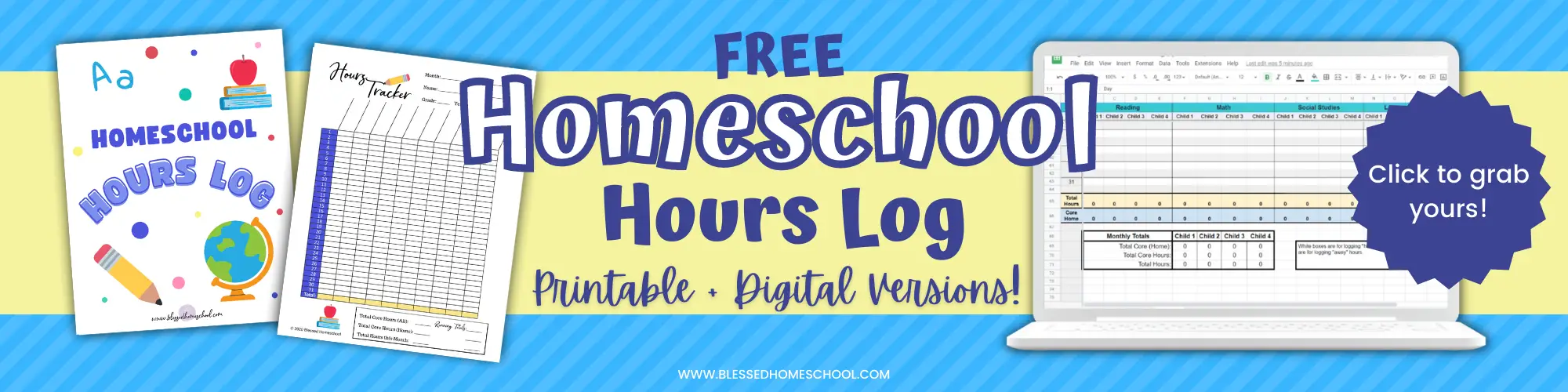
Grab Your Free Homeschool Hours Log
Homeschooling in Missouri is relatively easy to get started thanks to its relaxed home education laws. To help with your recordkeeping, download my free homeschool hours tracker to help keep you organized.
Simply click below to subscribe, and I’ll send a printable and digital template to your inbox. Print and use each month, for all of your kids, or easily keep track at the tips of your fingers!
Make Missouri Homeschool Recordkeeping Easier
If keeping track of lesson plans, portfolios, and homeschool hours feels overwhelming, that’s exactly why we created Homeschool Curriculum Planner.
My husband Josh and I designed Homeschool Curriculum Planner to help homeschool families plan, track, and document their homeschool journey in one place. Whether you’re logging lessons from your curriculum, tracking instructional hours for Missouri’s homeschool requirements, recording field trips, or documenting educational activities outside the home, the planner makes it easy to maintain the records you need throughout the year.
Some of our favorite features include:
- Hour tracking that helps you document instructional time
- Lesson planning tools for organizing your school year
- Attendance and activity tracking
- Gradebook and assignment tracking
- Field trip and extracurricular activity logs
- Printable reports for your records
Instead of scrambling to recreate your records at the end of the year, you can keep everything organized as you go.
And I would love to hear from you in the comments: are you homeschooling in Missouri? What are your favorite resources and activities? What advice would you give to new homeschool parents?
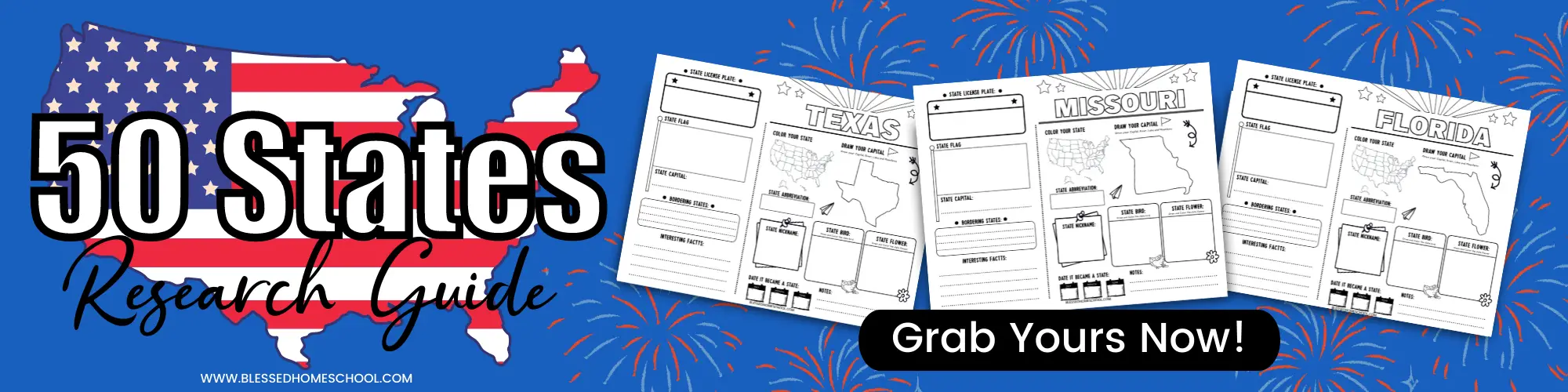
Interested in learning about homeschooling in another state? Check out the Homeschooling in 50 States Series.

Related Posts
- How to Start Homeschooling: What You Need to Know
- 20+ Expert Homeschool Bloggers Share How to Avoid Homeschool Mistakes
- Homeschool Daily Checklist + FREE Printable for Your Kids


I homeschool my four kids in Missouri. I love the Abeka curriculum. For me it keeps everything in order and explains everything so well! I would say to any new homeschooling family, Find what works best for your family.
We are considering with drawing our middle school daughter and enrolling her into home schooling. We live in knob knoster on base , I’ve been told there is a director on base over homeschooling children, but looking more so for classes she could take online although she does have an iEP ? Any resources for this ? Her dad is active duty , I will be working 12 hour shifts in medical field. Home schooling because of bullying
Hi Cheryl! You might check out https://www.onlinecurriculumdirectory.com for searching for online homeschool curriculum that will work for you. I have loved BJU Press as an online option, but there are many other great choices!
Thank you for all of this information and resources!
Missouri Homeschooler here! Thanks so much for this post!
This page has been so helpful! This will be our first year homeschooling and I am so thankful for resources like this that help us new-to-homeschooling-moms figure out what we’re doing! Thank you!
Thank you for all the information. We are fairly new to homeschooling and still finding what works best for us. I appreciate the overview of laws explained plainly and the ideas for how to meet those requirements.
We homeschool two in Missouri, since the very beginning of their school days. I think a lot of people get overwhelmed by the 1,000 hours requirement, but when you think creatively, it’s not so hard to reach it. There’s a lot of flexibility.
Thanks for the post!
We are starting to homeschool several of our younger children age 10, 7, 5, 4… I’ve did it years ago with some older children but it’s been so long. Trying to get back in the groove of finding good resources.
You’ve got this, Mallory! Feel free to reach out with any questions at all.
Thank you so much for all the resources and taking the time to writing this! Truly life saving!
You’re so welcome! I’m glad it was helpful!
Can’t wait to try this!
New to homeschooling, love finding great resources, thanks!
First year Missouri Homeschoolers here – 4 offspring! Thanks for the post! Very informative!
Yes!! Welcome to the club – and have a great first year!
Does a State provide “Learning curriculums”? I did homeschool during Covid, yet the school provided the school work! I’m just curious of how, or what subjects you should be teaching for age appropriate material. More or less, how do you obtain the material or do you have to find these on your own?
Hey there! There are multiple options available for homeschooling curriculum. Some families piece together their own materials; when I first started, I wanted to use a curriculum that was already planned and prepped, so I made sure not to miss anything! I went with My Father’s World when my son was Kindergarten age. You’ll want to make sure to follow state guidelines, but in MO you do have a lot of freedom to choose curriculum that works best for your child. Homeschool conventions can be a great help, along with recommendations from others if you are looking for a place to start! Please feel free to reach out or email me if you have any other specific questions – happy to help!
Hi! I’m a new homeschooling mom. I have a first grade and a pre-k. I’ve been reading and searching a lot about homeschooling and I found your site so helpful. I am using sonlight curriculum coz that’s my husband’s cousin is using for her kids. My husband is from missouri but we are going back and fort from the Philippines and America. Half of the year we are here in America and half of the year in the Philippines. I also want to have a sample of log hours for my homeschool. Thank u so much♥️
I am not receiving the Homeschool Hours log for some reason..? Ive tried 2 different emails
Sent you an email!